Wilma – the digital library assistant
Humanoid robots as interface between library and visitors
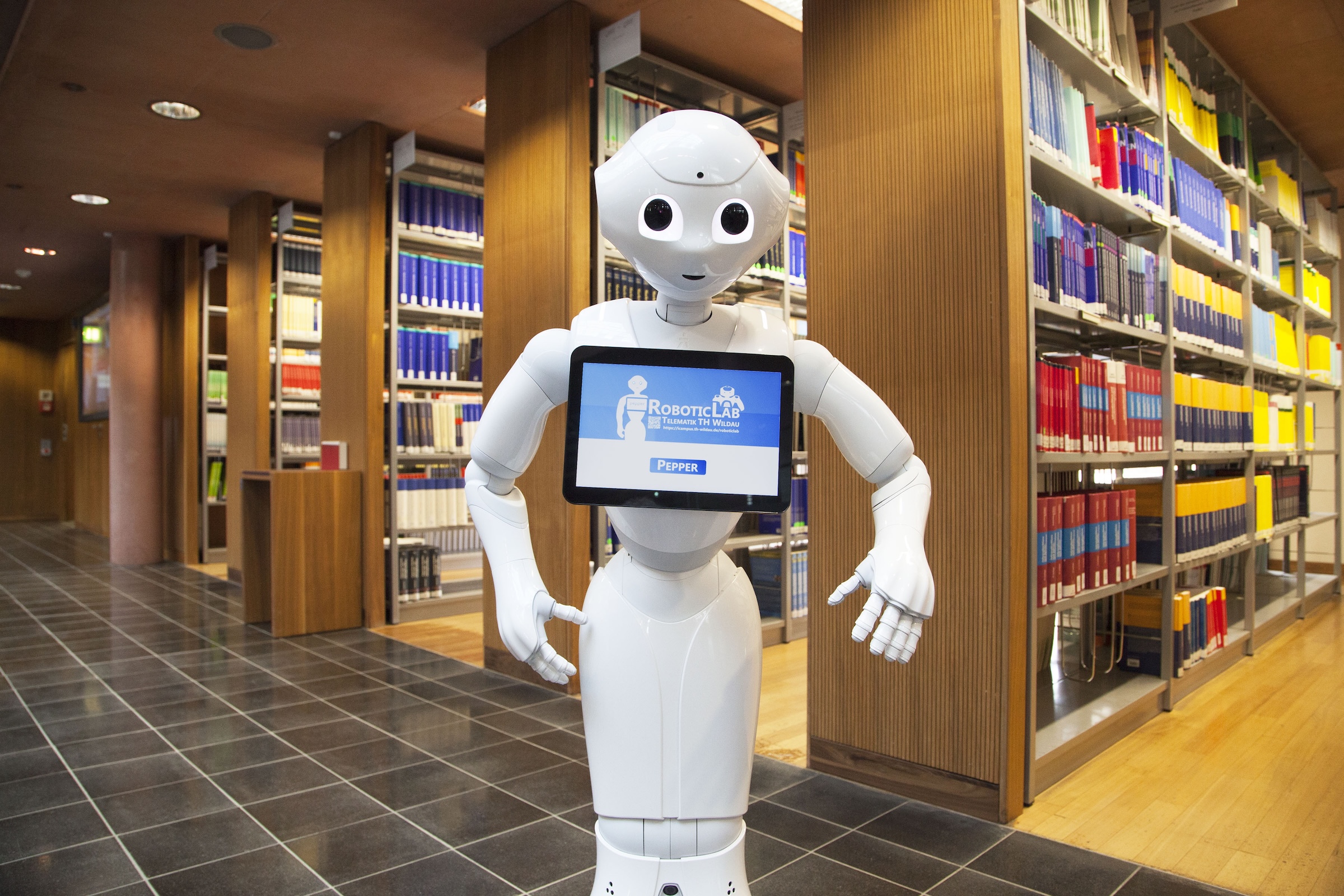
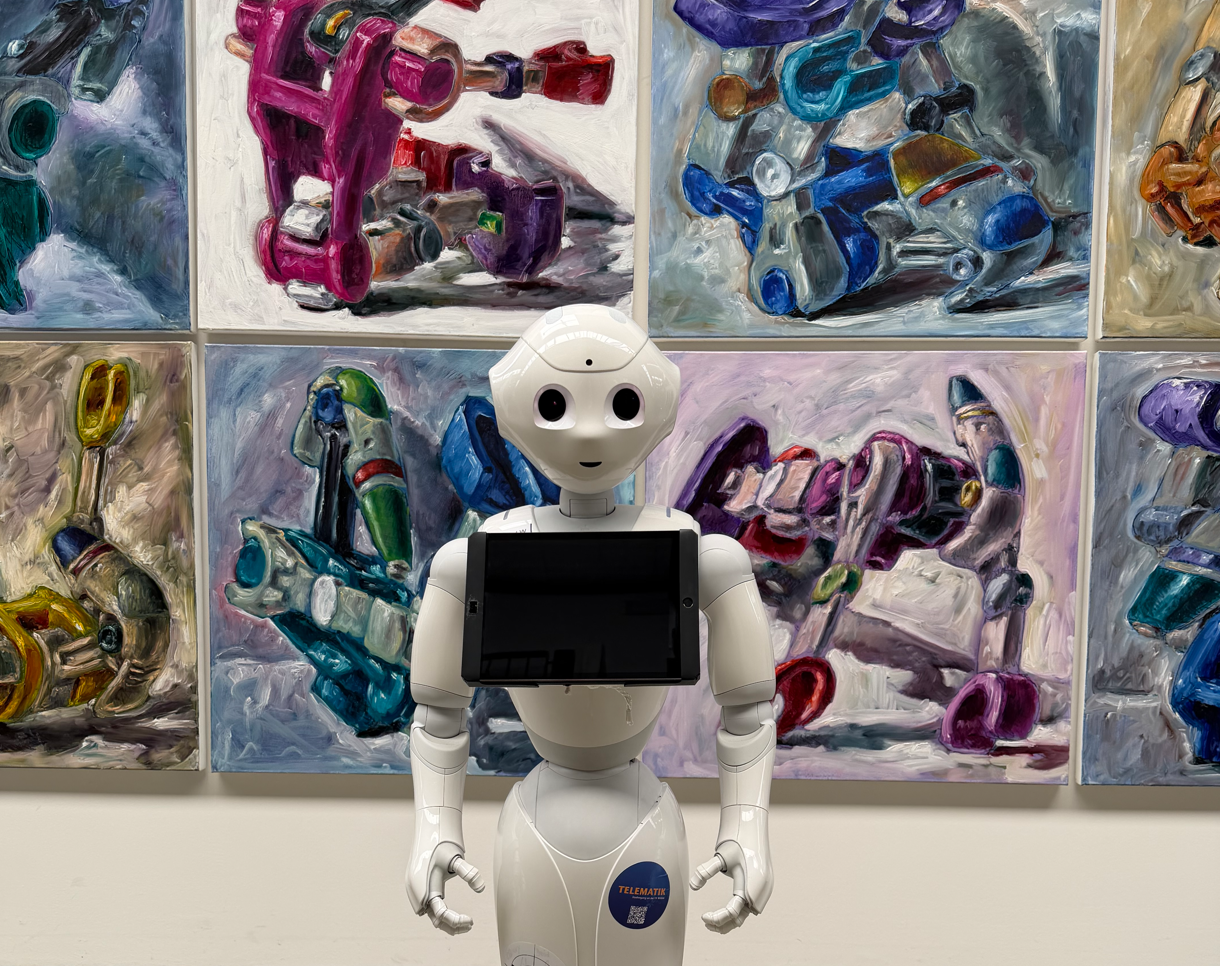
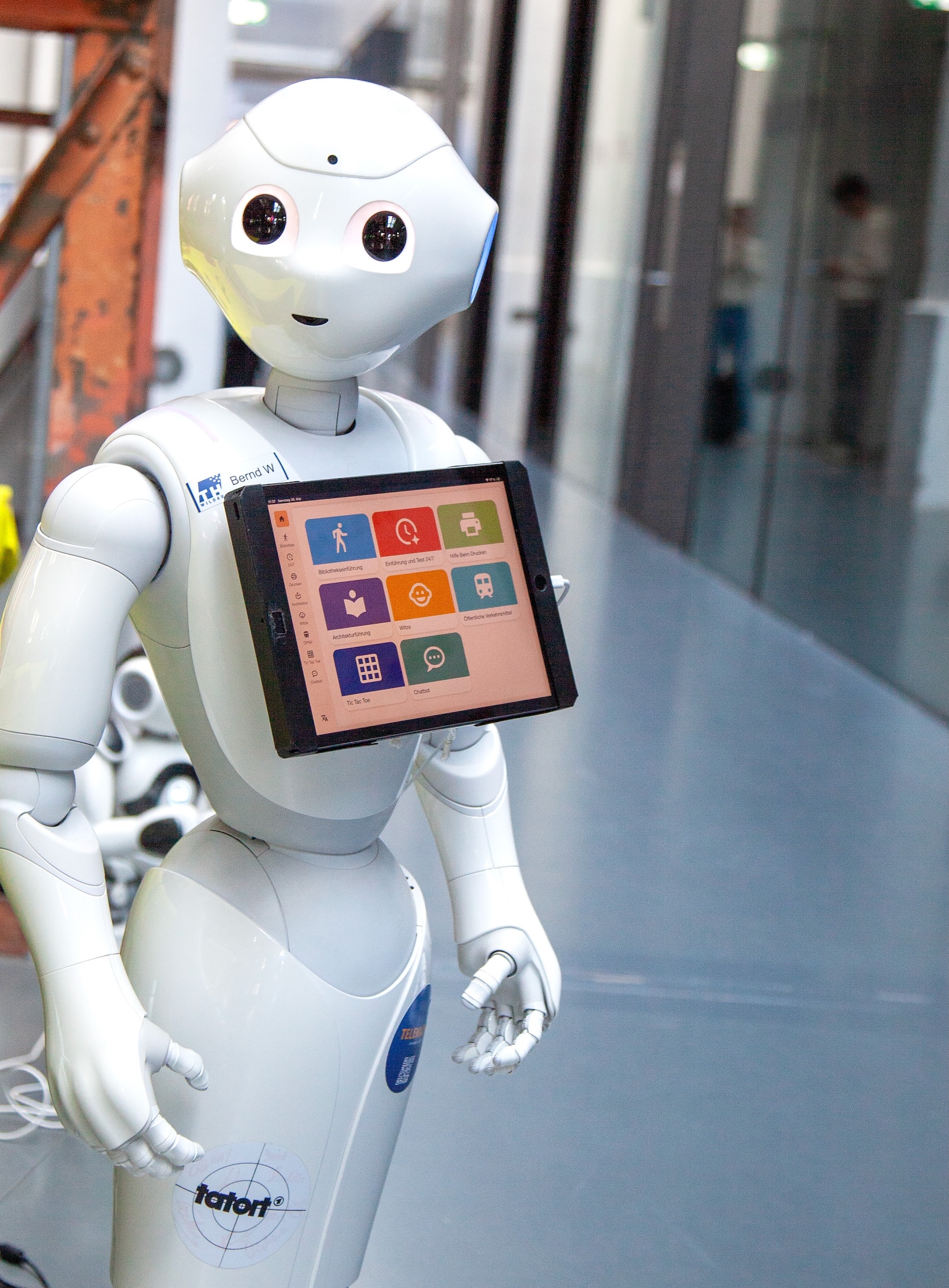
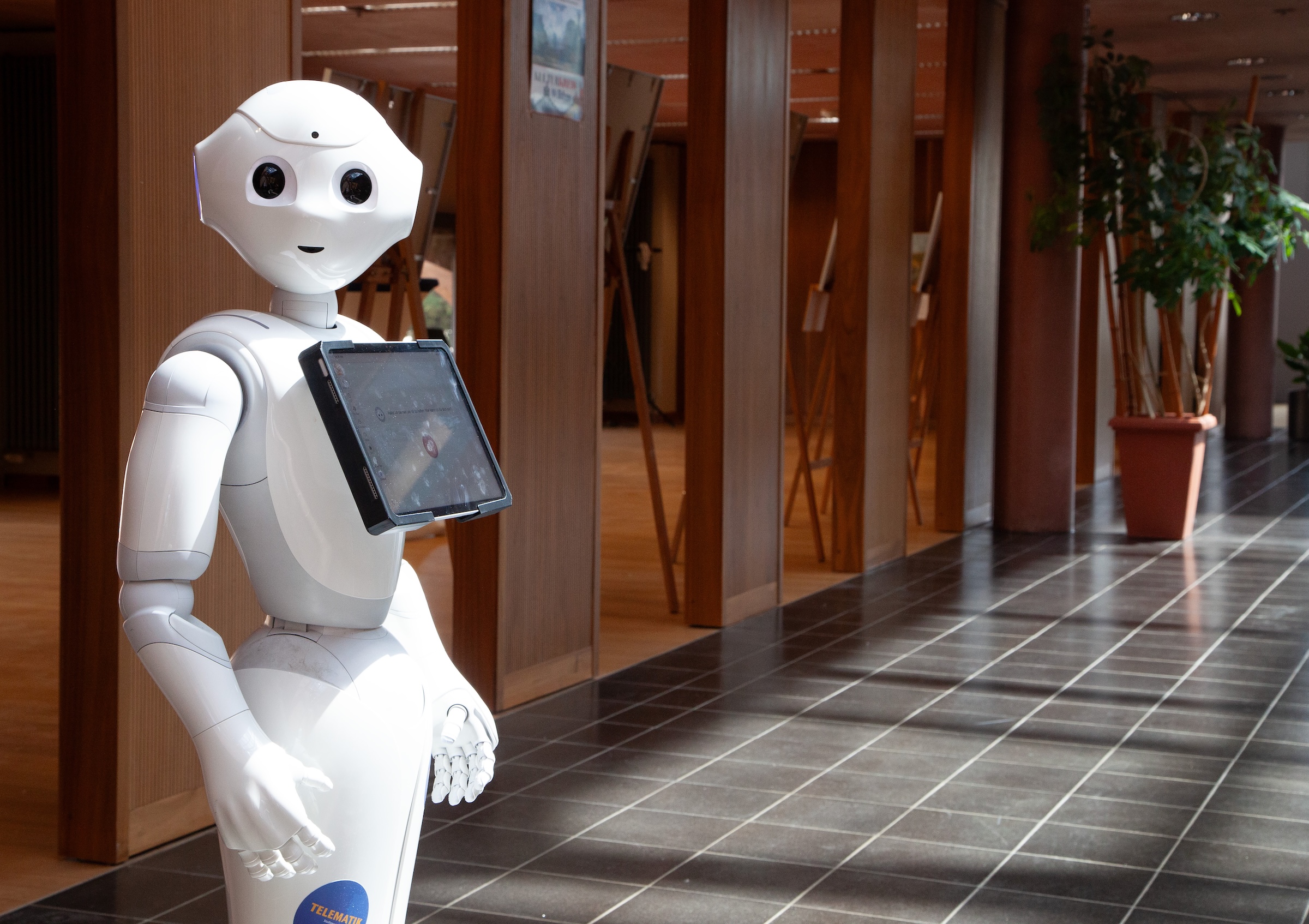
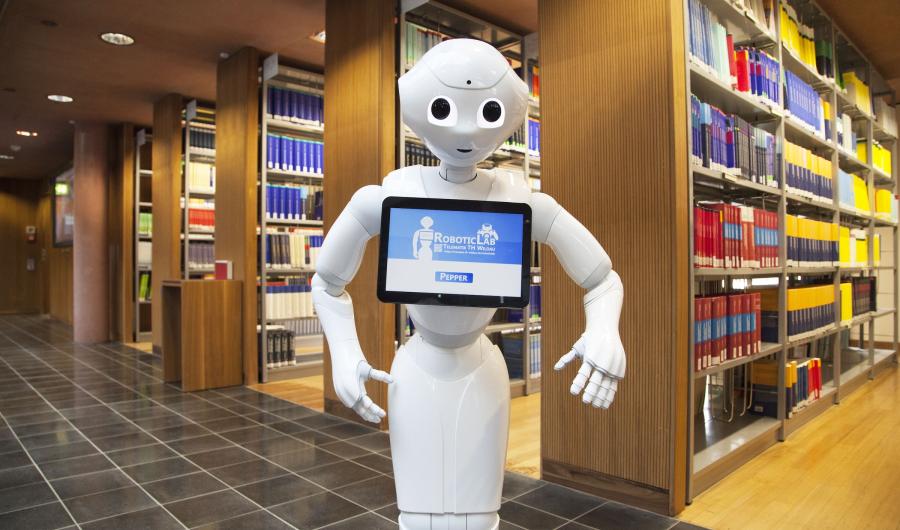
The demonstrator shows how the humanoid robot Pepper can be used as a digital library assistant for service and information tasks. Wilma combines information, guidance and entertainment, bringing humanoid robotics to life as an accessible interface between the library and its visitors. Wilma is already being used successfully in the library’s day-to-day operations, where it carries out real-world service and information assistance tasks.
Challenge
The demonstrator addresses the need for low-threshold, round-the-clock access to information in libraries and public institutions. At the same time, it helps to handle recurring standard enquiries and routine tasks, thereby avoiding unnecessary workload for staff.
Relevance
Libraries and other public institutions face the challenge of providing services that are as accessible, efficient and user-friendly as possible. A humanoid library assistant can relieve the burden on staff, support 24/7 service provision for certain information and induction processes, and at the same time highlight the potential for innovation and transfer in the use of social robotics in public spaces.
Solution
The demonstrator aims to illustrate how the use of humanoid robots in libraries can reduce the workload on staff and to demonstrate the practical applicability of digital service assistance in everyday library life.
How does it work?
Users can experience various functions of a digital library assistant, including:
- An introduction to the library’s 24/7 operation via voice commands and a tablet
- Answers to typical service enquiries, e.g. regarding printer use, the premises or other organisational matters
- A natural-language chatbot function for questions about the library and books
- Up-to-date information
- Information on the history and architecture of the library building
- Entertaining interaction, e.g. through jokes
Areas of application
Libraries, universities, public buildings, information and reception areas, cultural institutions. Beyond the library context, the demonstrator should also be seen as a platform for exploring potential applications in other public sector settings.
Technologies
Social robotics, humanoid robotics, information assistance, natural language interaction, chatbot functionality, tablet-based interaction, live information integration.
The demonstrator is based on the humanoid robot Pepper from Aldebaran Robotics (formerly Softbank Robotics, now acquired by Maxvision). The system combines robotic presence with digital service functions, thereby enabling interactive assistance within the library environment. The focus is on the system-driven provision of information, natural language interaction with visitors, and support for standardised service and induction processes.
Where can you see this demonstrator in action?
TH Wildau, RoboticLab Telematics / iCampus Wildau